

“How much money is enough?”
It’s one of the most important retirement planning questions you’ll ever face, yet surprisingly few people stop to ask it.
Chasing More Isn’t Always the Answer
Throughout our working lives, it’s easy to fall into the habit of constantly aiming for the next financial milestone. Once we reach a savings target, we create a new one. When our investments grow, we focus on growing them further. While financial security is important, research consistently shows that beyond a certain point, additional wealth delivers diminishing returns when it comes to happiness and wellbeing. In other words, there comes a stage where having “more” matters less than understanding what is actually “enough”.
Defining Your Version of Enough
For some retirees, enough means having the freedom to travel internationally each year. For others, it means living comfortably at home, spending time with family and enjoying hobbies without financial stress. Retirement planning works best when it begins with lifestyle goals rather than account balances. Instead of asking: “How much money can I accumulate?” A more useful question may be: “What kind of life do I want my money to support?” Once that becomes clear, financial decisions become far easier.
Retirement Is About More Than Money
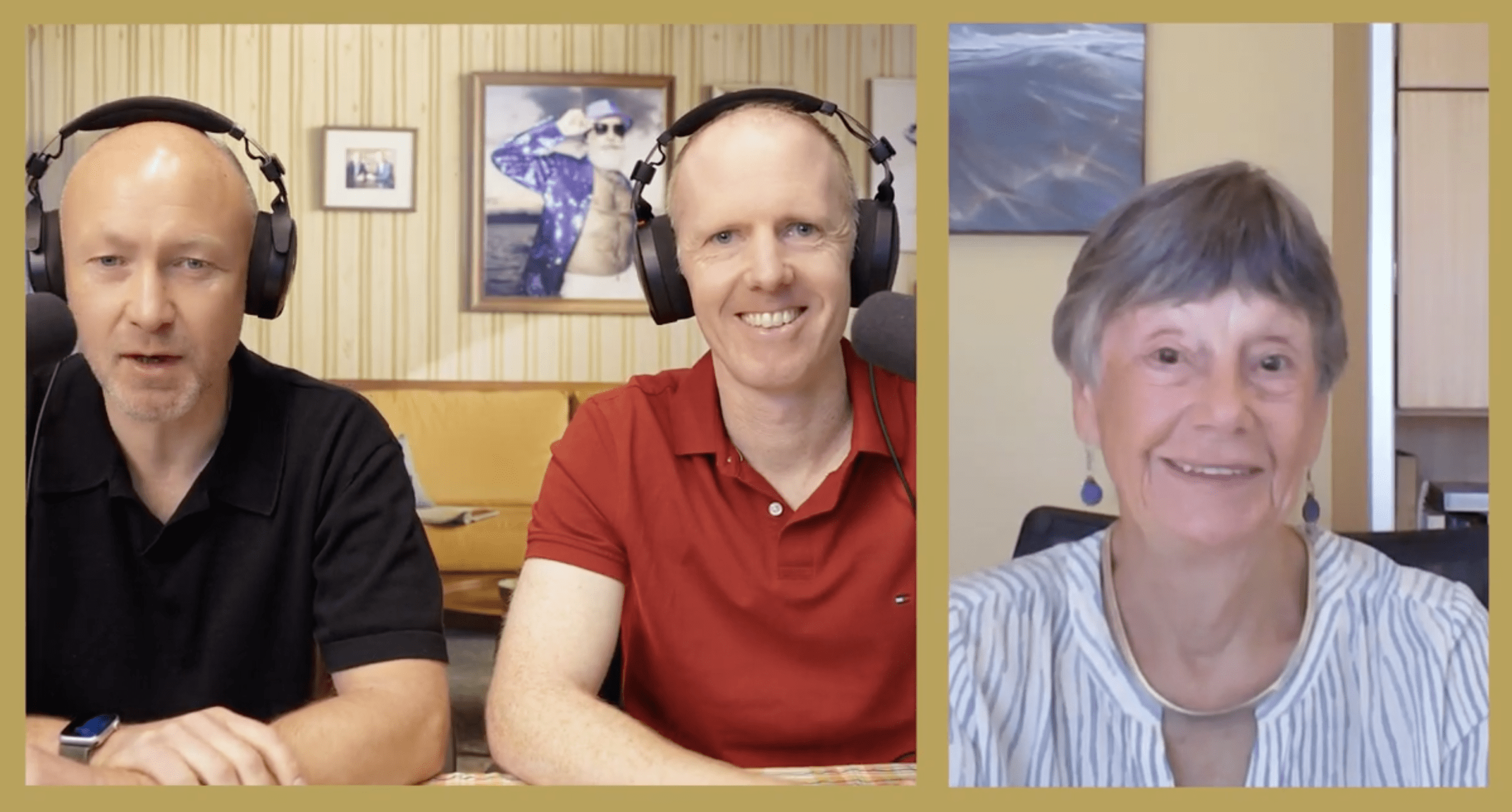
One of the strongest themes from Mary’s discussion was that wellbeing in retirement isn’t driven solely by financial outcomes. Physical health, social connections, purpose and ongoing learning all play a critical role in creating a fulfilling retirement. A retiree with excellent health, strong relationships and meaningful activities may feel far wealthier than someone with a larger investment portfolio but little engagement with life. This perspective can be incredibly freeing. It shifts retirement planning away from endless accumulation and towards creating a balanced, rewarding future.
The Danger of Never Feeling Rich Enough
Many people spend their entire lives pursuing financial goals without ever feeling financially secure. No matter how much they save, there is always another target to reach. Unfortunately, this mindset can continue into retirement, leading people to delay experiences, avoid spending and miss opportunities because they remain focused on preserving wealth.
At some point, retirement planning needs to transition from building money to using money effectively. The retirement goal for most of us isn’t to die with the largest portfolio possible, it is to build a life that feels secure, meaningful and enjoyable. As Mary Holm highlighted on the Retire Well Podcast, one of the most valuable financial questions you can ask yourself isn’t how do I accumulate more money, it’s whether you’ve already reached “rich enough”. For many New Zealanders, that shift in thinking may be the key to both financial confidence and greater wellbeing in retirement.